The Georgetown Neighborhood: Network to Freedom

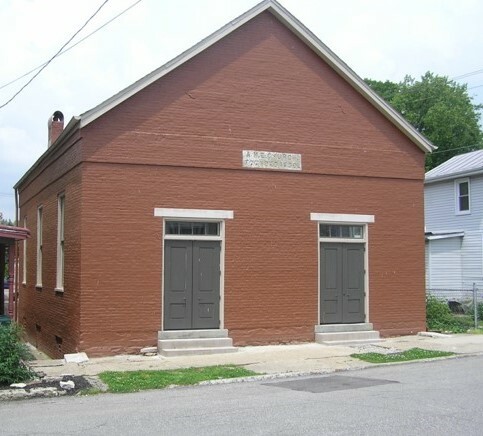
Proximity to the Ohio River gave rise to Madison's Georgetown Neighborhood, a community of free Blacks dating back to the 1820s. About 50 black families lived in the Georgetown neighborhood, located along Walnut Street north of Main Street. During its peak years in the early 1850s, Georgetown boasted a population of almost 300 families. In spite of being free, Georgetown residents experienced discrimination and feared kidnapping by slave hunters and the locals who cooperated with them. Slave hunters led raids through the neighborhood with impunity, ignoring that those they captured were free Blacks. This mob violence threatened southern Indiana’s free black communities during the 1840s and 1850s, causing some of Madison’s Underground Railroad leaders to relocate. Others stayed in Georgetown and continued to help freedom seekers move north until the end of the Civil War.
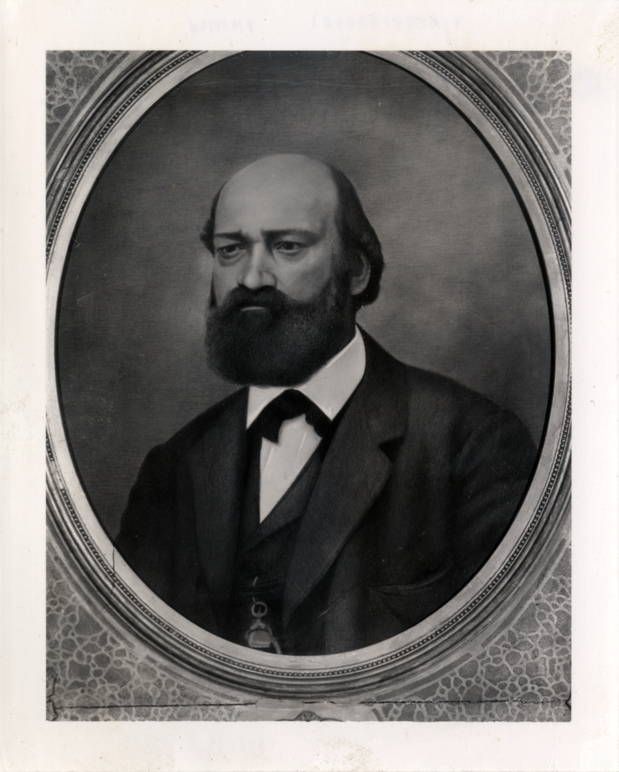
George DeBaptiste, a well-known Underground Railroad conductor, settled in Madison in 1837. The son of a wealthy, free black family in Virginia, DeBaptiste traveled and worked on Ohio and Mississippi River steamboats as a young man. He started a wholesale shipping venture after moving to Madison in 1837. He gained notoriety for legally challenging the 1831 Indiana law that required African Americans to post a $500 bond to live in the State. Although DeBaptiste would win the case, the constitutionality of requiring a bond to live in the state was upheld by the courts.
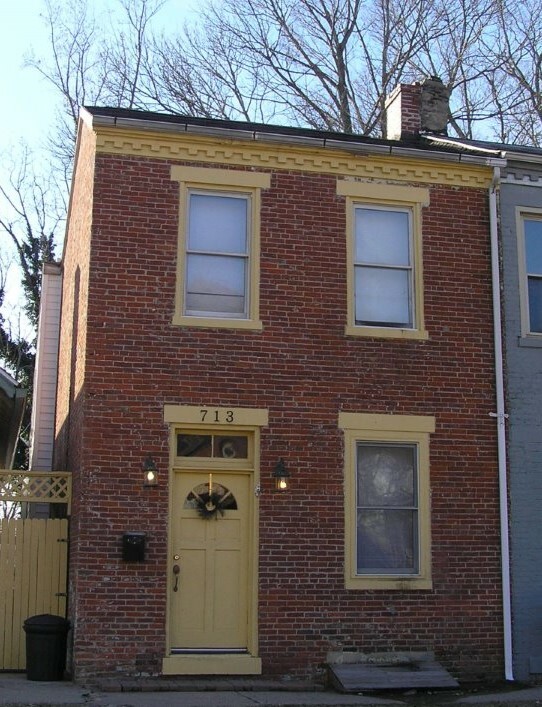
DeBaptiste met William H. Harrison, the 9th President of the United States, through local banker James Franklin Doughty Lanier during a visit to his home. DeBaptiste became Harrison’s valet during the presidential campaign and, after Harrison was elected president, served as White House steward. Harrison's term was the shortest of any presidency, as he died of illness after one month in office. DeBaptiste was responsible for caring for him during the President’s illness. Purportedly, he held the president in his arms at his last breath. After Harrison's death, DeBaptiste returned to Madison and opened a barber shop at Walnut and Second Streets. His barbershop was central to the Madison, Indiana underground railroad with accounts of DeBaptiste helping over 180 freedom seekers between 1841 and 1846. He then moved to Detroit, Michigan, where he continued his anti-slavery efforts. While the barbershop no longer exists, the modest brick buildings on Walnut north of Main Street still look much like they did during DeBaptiste’s time.
The Georgetown Neighborhood contributes to the historic significance of the Madison Historic District, which is listed in the National Register of Historic Places and designated a National Historic Landmark.
Images