Richmond Corn Mill & Hoosier High Point
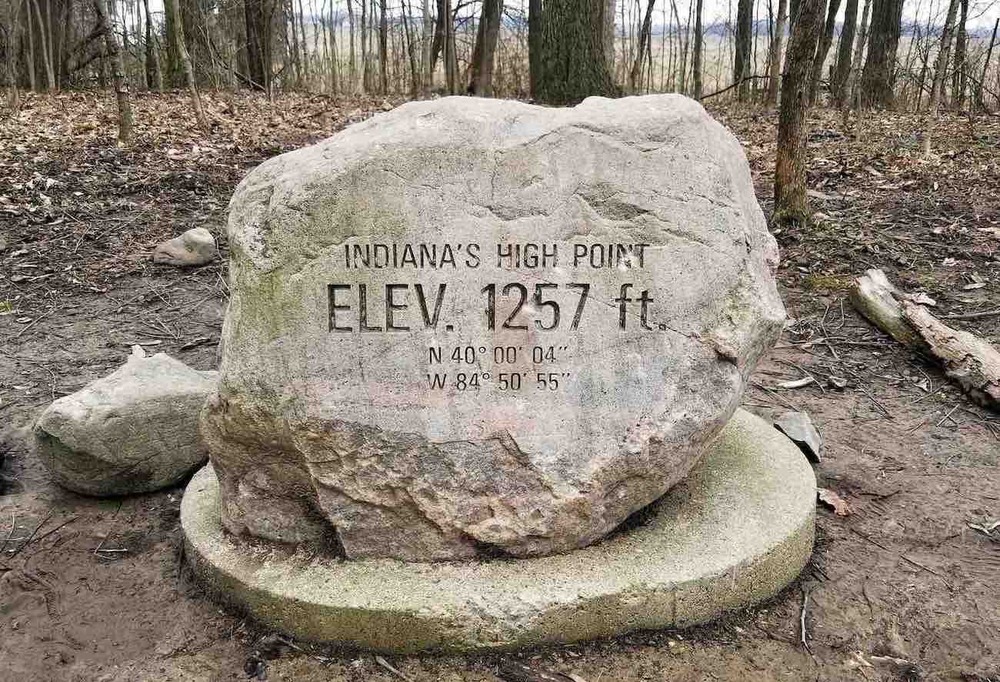
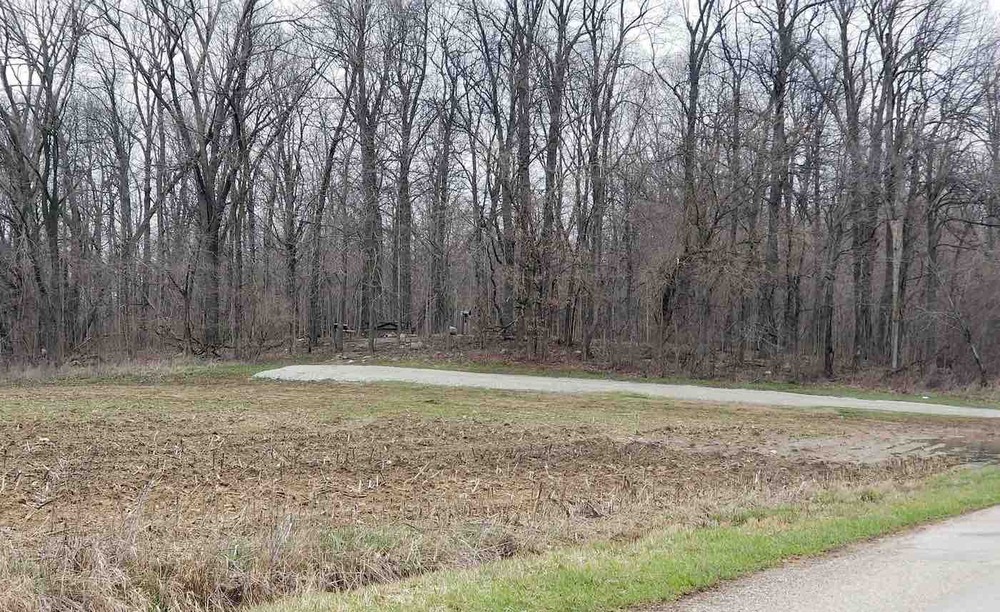
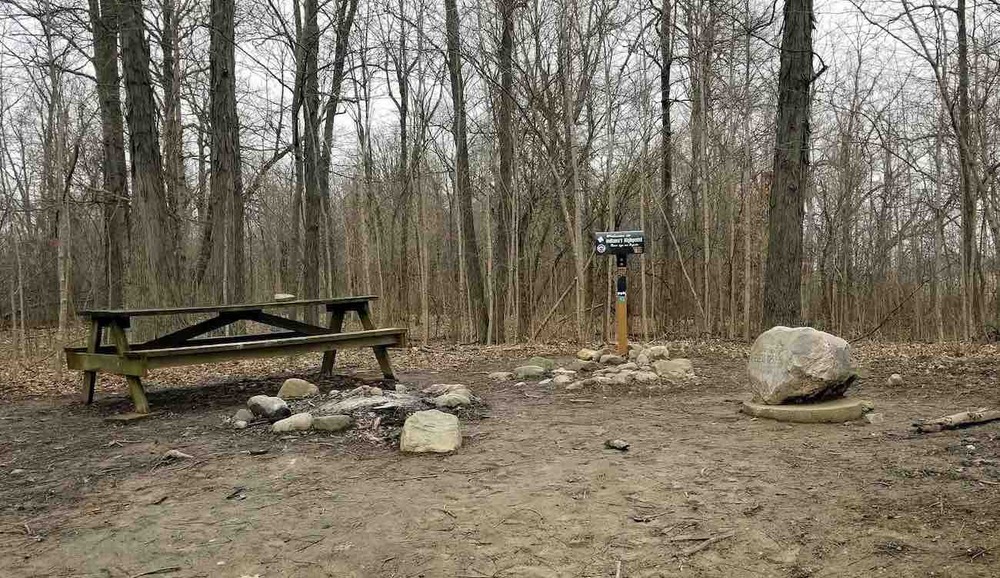
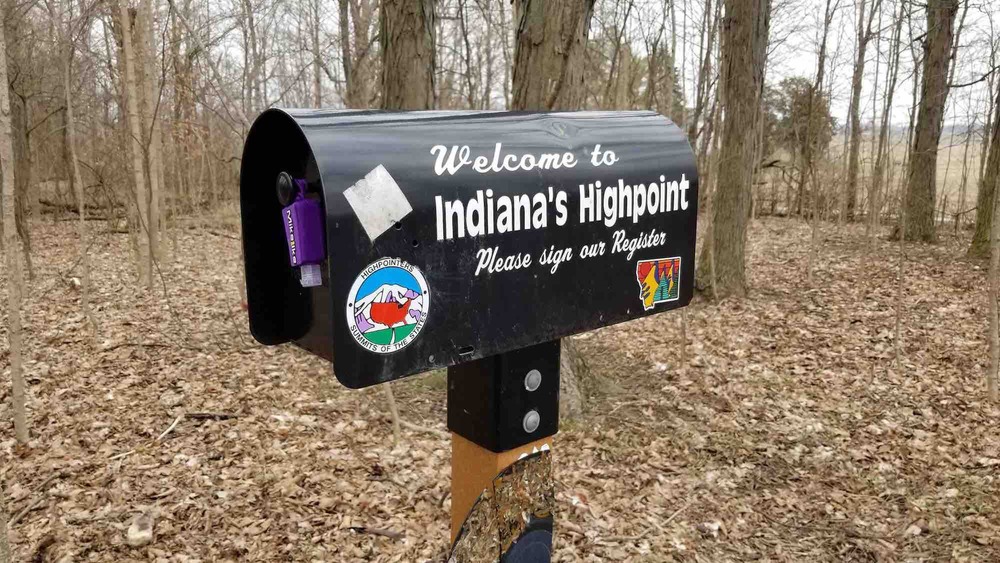
Located near the northern edge of Wayne County, enthusiasts who call themselves Highpointers (highpointers.org) can drive directly to the highest point in Indiana, 1,257 feet above sea level and only steps away from a county road. From there, Highpointers can see crops, roads, and the terrain of the county.
Corn was a staple food in the diets of the white settlers who first lived here beginning after 1800, as it had been for their predecessors, Kickapoo, Osage, Shawnee, and Miami nations, before their forced removal west by the US government. When corn was harvested it had to be ground into meal. While small amounts for family use could be ground by hand, a whole crop had to be ground mechanically, and the earliest white settlers to Richmond had to haul their crop to mills in neighboring Ohio until they were able to build mills in their own communities.
Water-Powered Mills
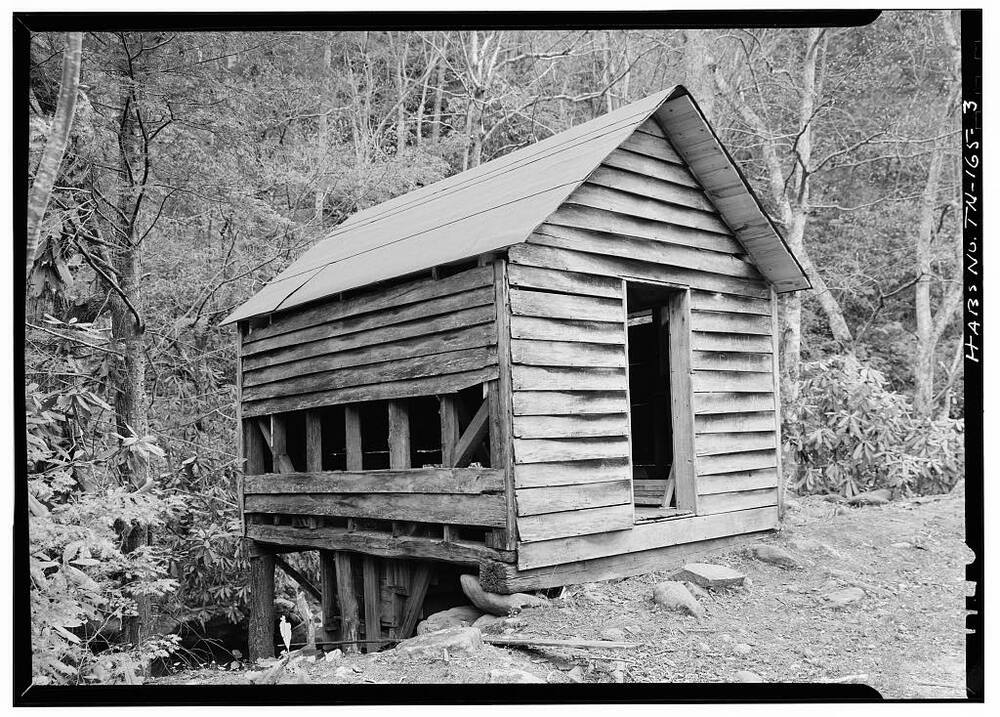
Mills from the early 19th century used water flowing from a stream or a spring to turn a wheel that was connected to a shaft. That shaft was connected to assorted gears to transfer the power to grindstones or other pieces of equipment, depending on what type of work was needed. Later in the century, steam power replaced natural water power, but it was still all about turning a main shaft that would transfer power to other equipment.
Jeremiah Cox’s Mill, 1806
Jeremiah Cox, a Quaker from North Carolina, is considered one of the first white people to settle in Richmond. Within a year of his arrival in 1806, Cox constructed one of the earliest mills in the area. According to records, it was a fairly simple tub mill, thrown up quickly to grind local corn, and may have even been temporary. No known images of this mill still exist.
Charles Moffitt’s Mill 1815
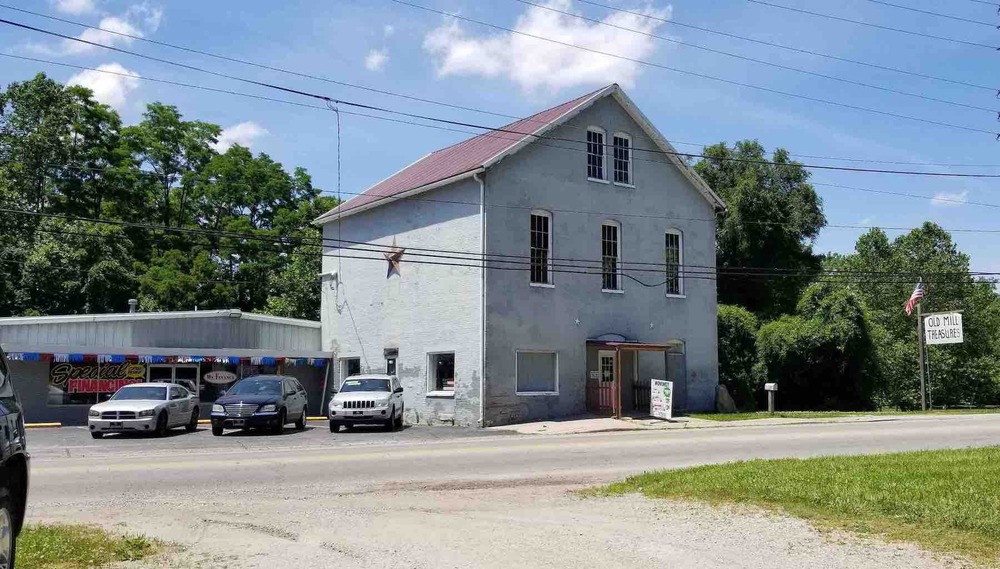
This structure is one of the few remaining examples of some of those early mills. Charles Moffitt, another North Carolina Quaker who was married to Elizabeth Cox, (Jeremiah Cox’s daughter) built the first mill on this site around 1815. It was destroyed by fire in 1883, but was rebuilt soon after and refitted around 1890.
Images