Filed Under Story

Levi and Catharine Coffin State Historic Site

The Grand Central Station of the Underground Railroad
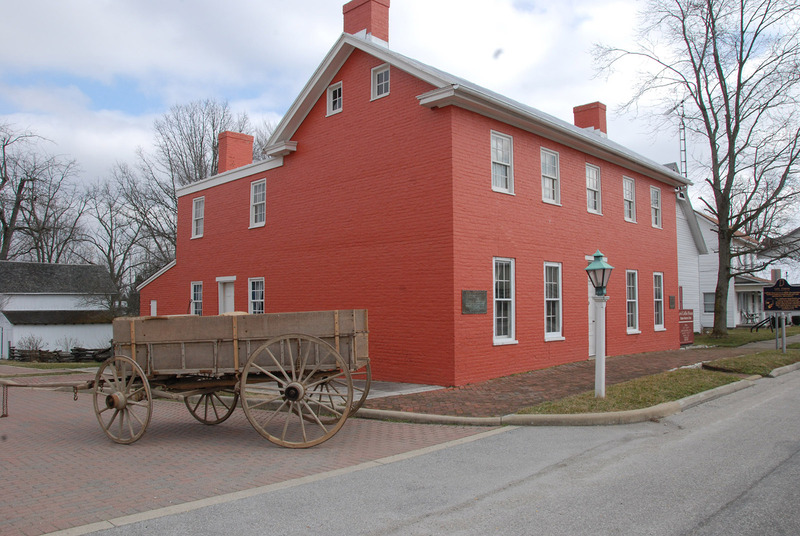
The historic home of Quaker couple Levi and Catharine Coffin in Newport (now Fountain City), Indiana was connected on the Underground Railroad. The Coffins moved to Newport in 1826 from North Carolina. Growing up in a staunch anti-slavery family and involved in the escape of enslaved Africans in Guildford County, North Carolina, the Coffins coordinated an Underground Railroad effort among free Blacks and Quakers living in, and around, Newport. Eliza did not step foot in the Coffin home where it stands today. Rather, she would have stayed in the Coffins’ first house in Newport, one block south where Levi’s dry goods store originally stood.

In 1839, Levi Coffin had a new Federal-style home built for his wife and family. Eventually earning the nickname as the “Grand Central Station of the Underground Railroad,” the home became an important stop for many freedom seekers bound for Canada. By the time the Coffins moved to Cincinnati, Ohio in 1847, they impacted the lives of over one thousand freedom seekers, including Eliza and her child.

Levi Coffin wrote an autobiography published in 1876 called Reminiscences of Levi Coffin. He describes what brought him to a life dedicated to ending slavery. In chapter five of the memoir, Coffin describes Eliza and her child coming to his home in Newport where they stayed for several days. Levi does not give any details of what experiences Eliza and her child had while in the care of the Coffins. Her visit appears to be one where rest was the priority after such a trying escape and journey into Indiana to elude capture.

Levi writes that Eliza, along with several other freedom seekers who arrived at his home, were led via the Greenville branch of the Underground Railroad. The Greenville Settlement sat on the Indiana and Ohio state line north of Newport. Levi later recounts how in 1854 he and Catharine reunited with Eliza when the Coffins made a trip to Chatham, Canada. It is here that readers learn that Catharine Coffin is the one who gave Eliza the name we know her by today, one she kept as part of her new identity as a free woman.

Images
Levi Coffin Home
Levi Coffin Home Pictured is the 1839 home of Levi and Catharine Coffin, where the couple lived until the spring of 1847. The home was known as the Grand Central Station of the Underground Railroad due to how active the home was in providing shelter to freedom seekers. The home today is part of the Indiana State Museum and Historic Sites with guided tours provided year-round and is part of the National Parks Service’s Network to Freedom. Source: Indiana State Museum and Historic Sites Date: 2015
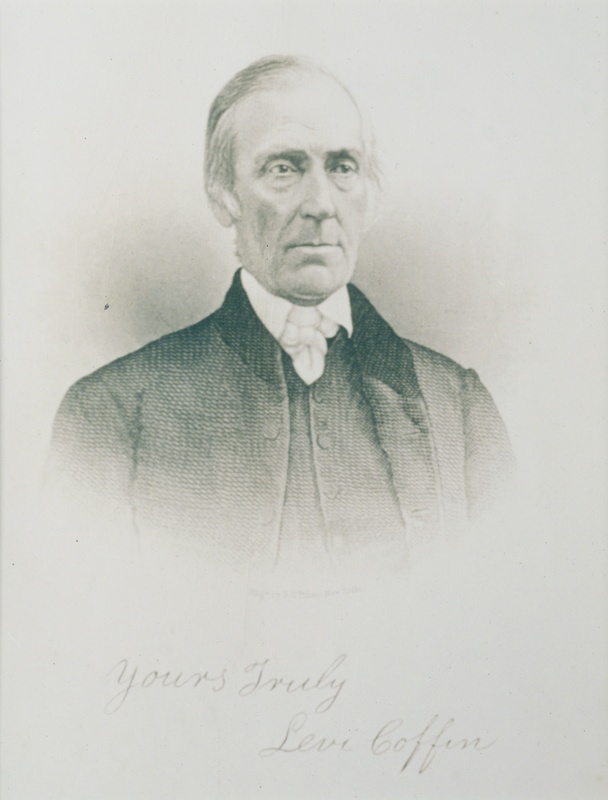
Levi Coffin
Levi Coffin This image of Levi Coffin was included in the printing of his 1876 autobiography Reminiscences of Levi Coffin, the Reputed President of the Underground Railroad. Coffin’s book is one of the most well-known histories written by an active conductor on the Underground Railroad. Source: Levi Coffin House Association Date: 1876
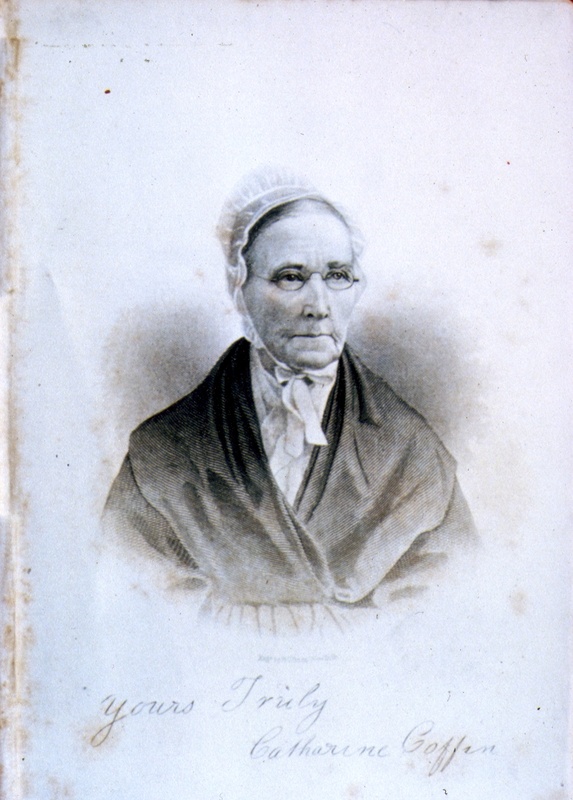
Catharine Coffin
Catharine Coffin This image of Catharine Coffin was included in the printing of her husband’s 1876 autobiography Reminiscences of Levi Coffin, the Reputed President of the Underground Railroad. Though Levi’s book provides invaluable information about the Underground Railroad, much is yet to know about his wife’s role. Catharine was instrumental in keeping the Coffin home ready for any freedom seeker who came to the home. Source: Indiana State Museum and Historic Sites Date: 1876
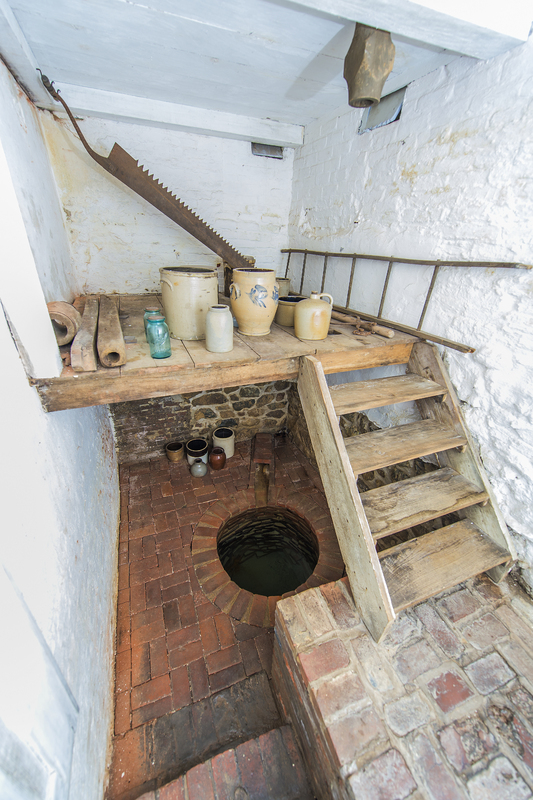
Coffin Spring Well
Coffin Spring Well In the basement of the Coffin home is a still active spring-fed well. Though Coffin was not forthcoming in his book as to why the well, along with a cellar kitchen, were included in the design of the house, it is not hard to imagine their purpose. Having access to these resources could have helped keep suspicions down of who was in the house and when. Source: Indiana State Museum and Historic Sites Date: 2014
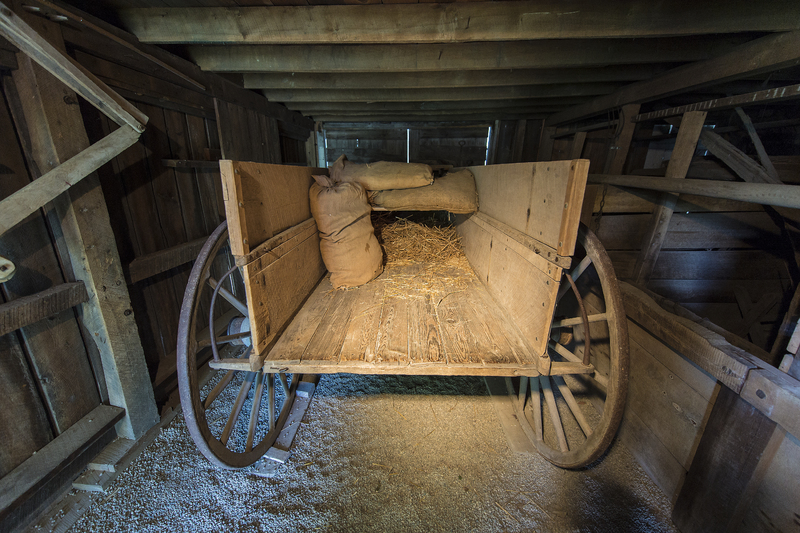
False-Bottom Wagon
False-Bottom Wagon When Levi and Eliza left, Coffin may have taken her and her child by false-bottom wagon. A trick Levi may have learned when in North Carolina, several Quakers’ association with the Underground Railroad used a wagon such as this to hide freedom-seekers as they traveled to the next station. Source: Indiana State Museum and Historic Sites Date: 2014
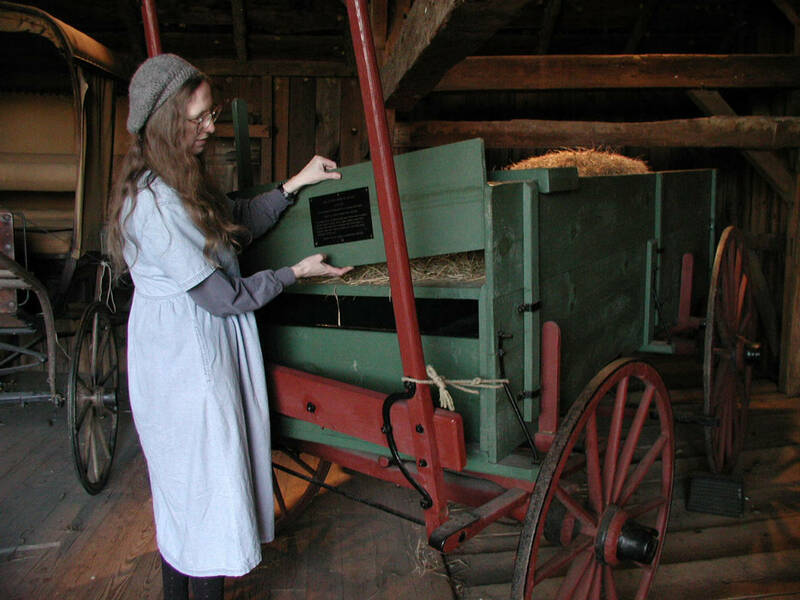
Wagon in Use
Wagon in Use Here, a re-enactor is demonstrating how false bottom wagons were used. At a quick glance, slave catchers would see only a wagon filled with hay, and not notice the freedom seekers concealed underneath. Source: Courtesy of the Mendenhall Plantation, North Carolina Department of Cultural Resources (https://digital.ncdcr.gov/digital/collection/p16062coll8/id/5357) Creator: North Carolina ECHO Date: 2003

Location

201 US-27, Fountain City, IN 47341

Metadata

Joanna E. Hahn, “Levi and Catharine Coffin State Historic Site: The Grand Central Station of the Underground Railroad ,” Discover Indiana, accessed October 22, 2026, https://discoverindianahistory.org/items/show/547.