Pearl City
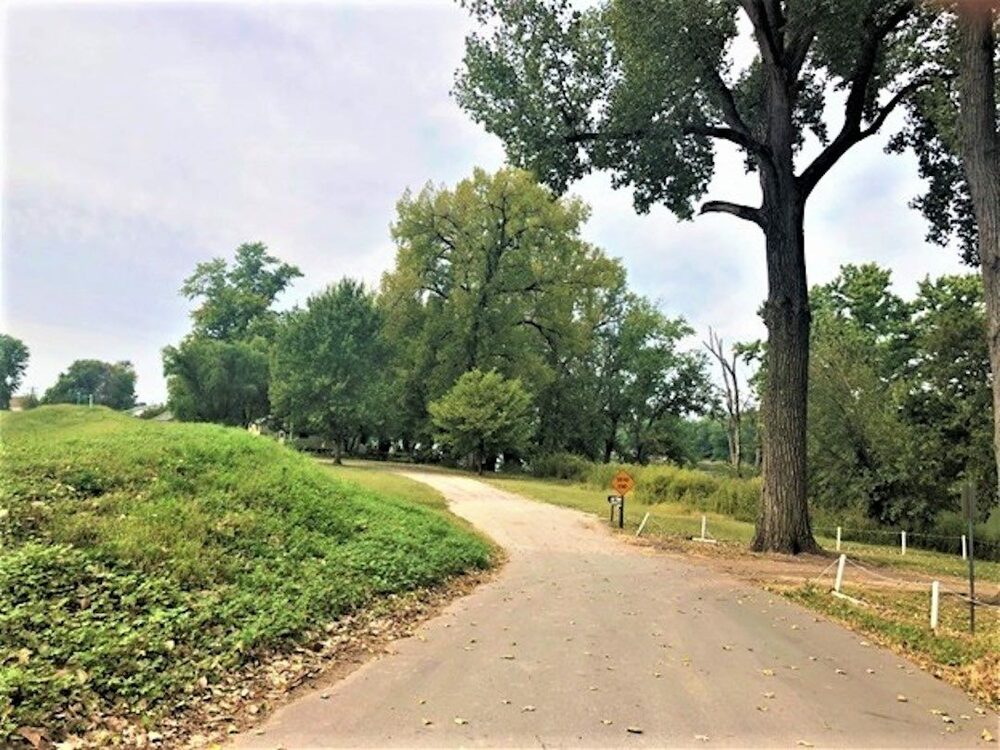
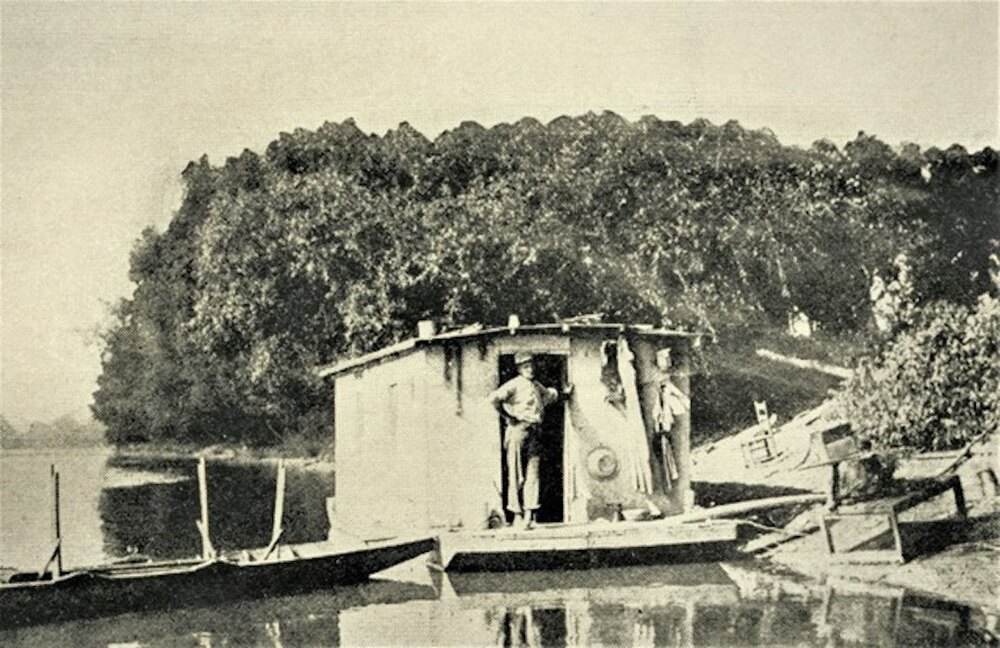
The name “Pearl City” originated sometime between 1900 and the early 1930s, when the mussel fishing industry here sparked a “pearl rush.” This stretch of the Wabash River was once filled with people, mostly squatters, who lived in tents, shanties, and houseboats. Many of these people most likely came from the local community and were just trying to get by. It is likely that many of them had dreams of finding a big pearl.
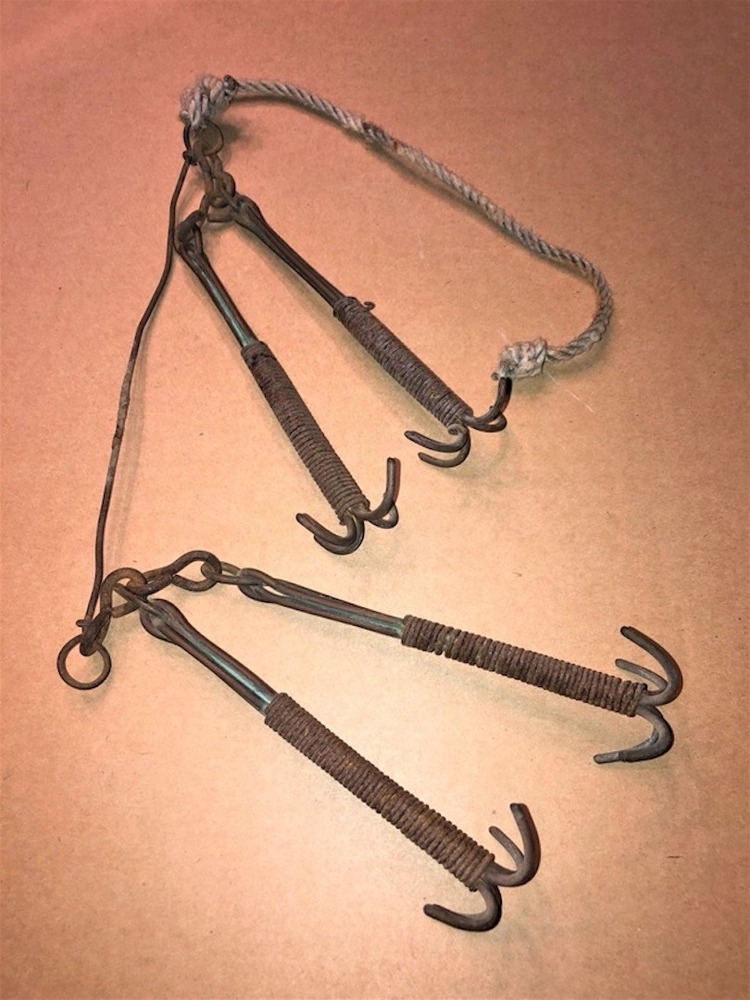
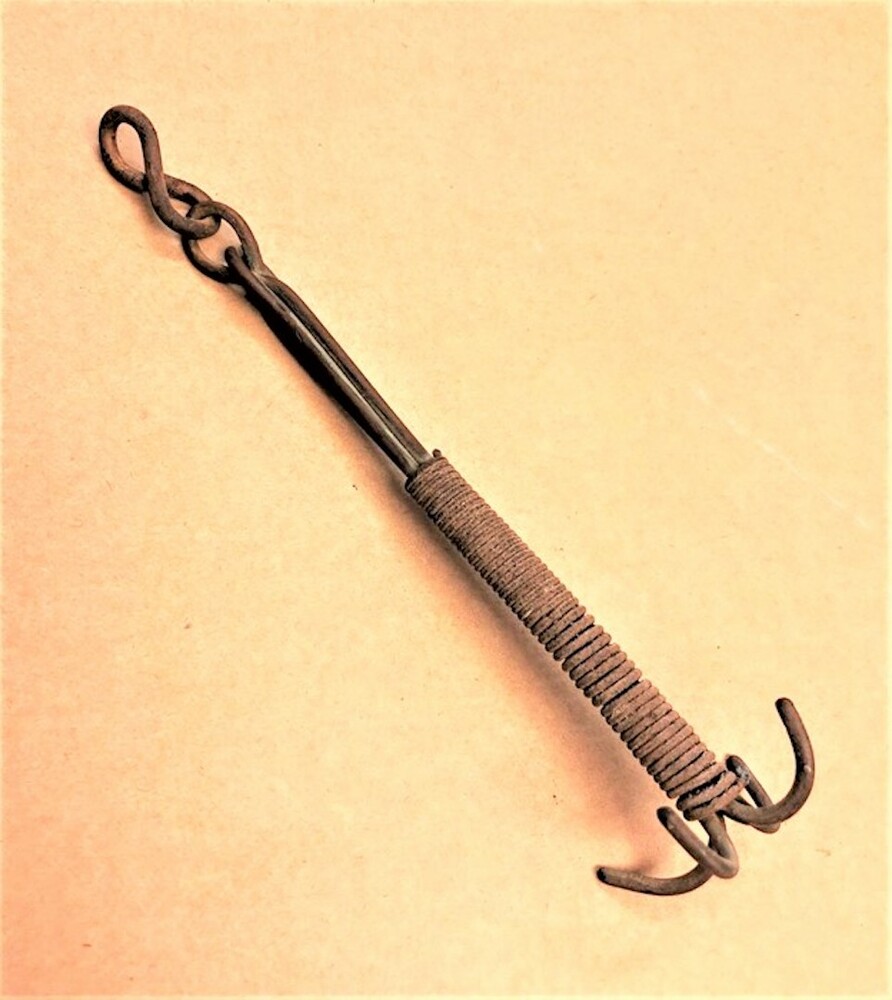
Most of these residents of Pearl City made their living by fishing or pulling mussels out of the Wabash. This was accomplished by pulling the live mussels out of the river using their hands and feet, or by using a tool with treble hooks made from stiff metal wire attached to a long pole with short lengths of rope. After carefully choosing a strategic location on the river, the mussel fishers would turn the long, heavy poles perpendicular to the boat and lower the ropes and hooks carefully into the water. The mussel fisher then secured the pole to the boat, lowered a large, flat, wooden, paddle-like device, known as a mule, into the water and proceeded to slowly drag the hooks along the river bottom. When the treble hooks touched an open mussel shell, the mussel would snap shut against them. When the poles were raised back up into the boat, the mussels would be pried from the hooks and placed in the boat or bucket in preparation for processing later.
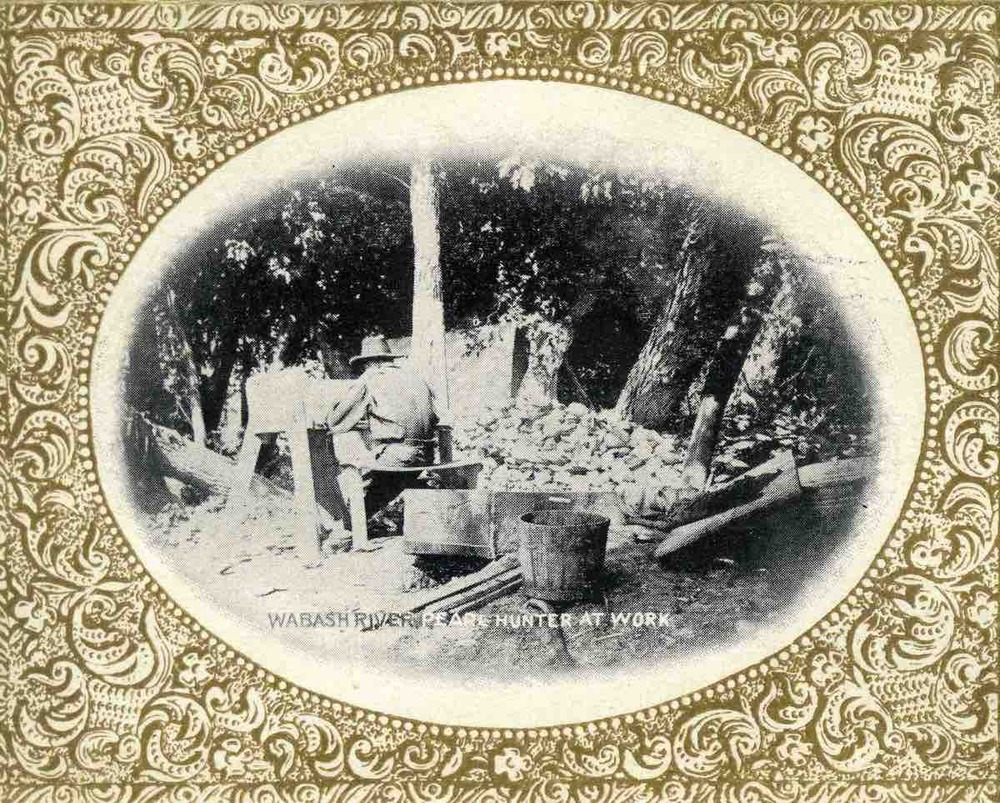
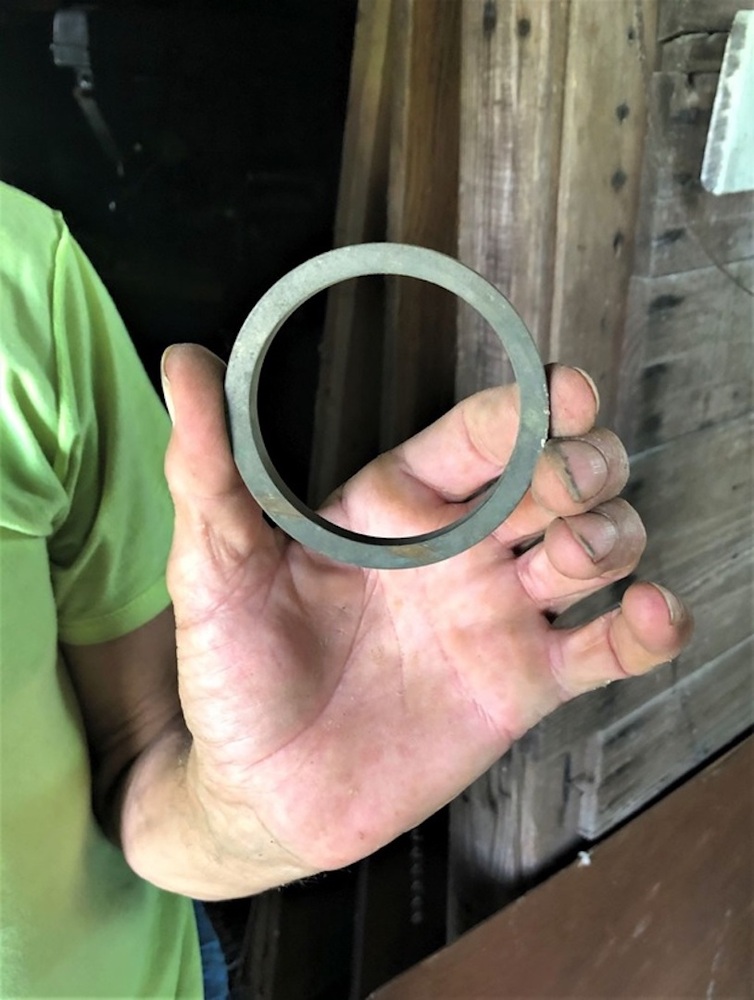
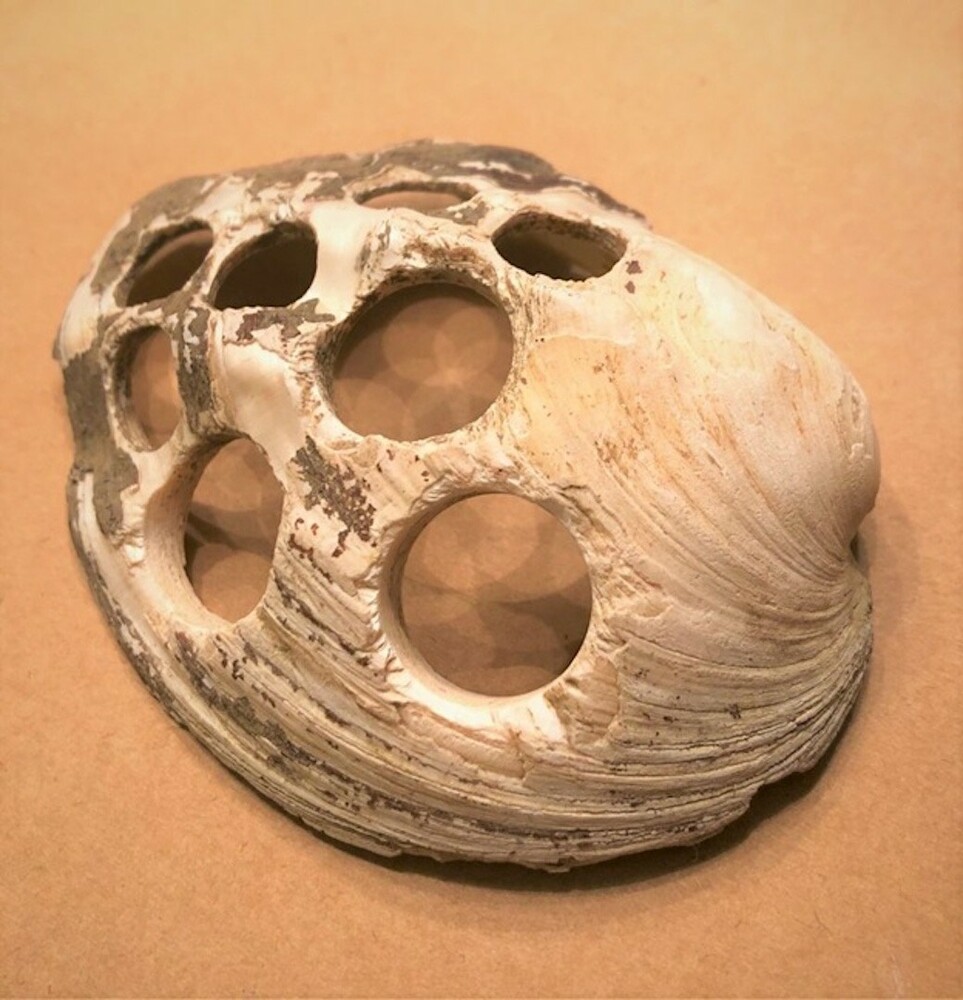
When back on land, the mussels would be placed in boiling water to open the shells back up. Many locals can still recall the foul odor that this created. The meat was then removed from the shell. The meat would sometimes be fed to animals or used as fishing bait. The shells would then be sold by the ton to be made into buttons. This entire process was very hard, labor-intensive work.
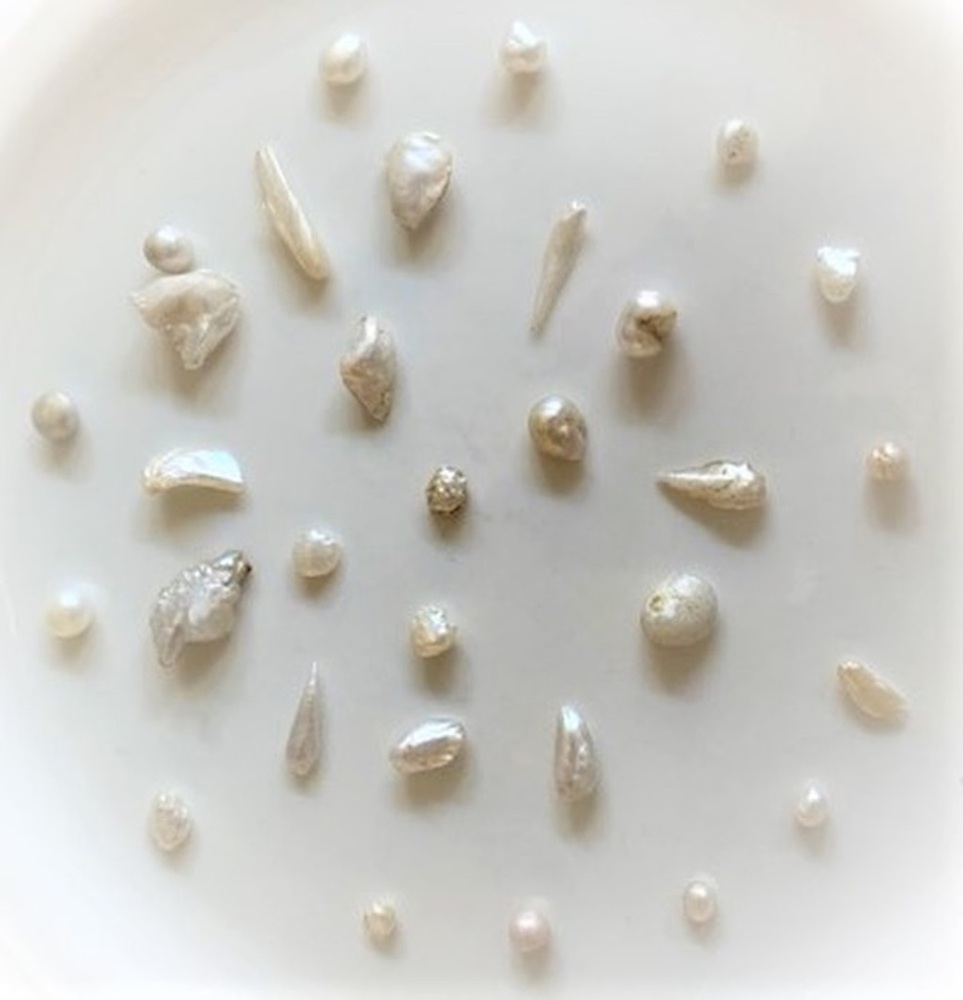
Occasionally, a pearl was found inside the mussel shell, sometimes even large or unusual pearls. There is a story that “Jumbo” Adams from Mt. Carmel, Illinois found a pearl in the Wabash in 1908 that ended up in a necklace belonging to the Queen of England. For a while, Vincennes became the center of the “Pearl Rush.” Pearl buyers would travel from other countries to Vincennes to purchase the highly sought-after pearls. There are stories that tell of mussel fisherman trading some of the smaller pearls for drinks in the local saloons at the time.
Eventually, due to overfishing, water pollution from industries and agriculture operations upstream, legislation restricting taking mussels from the river, and the invention of plastic that could be used to make buttons, the mussel industry came to an end. In the early to mid-1930s, the decline of the mussel industry and the onset of the Great Depression meant times became very rough for the residents still squatting in Pearl City. Concerned about the health, appearance, and living conditions there, the Vincennes city government stepped in during the mid-1930s and removed all of the residents out of Pearl City and secured the area. At the time there was talk of turning the area into a scenic city park.
The residents of Pearl City were relocated to other parts of the city including the newly created “Sunset Court” and the Bunker Hill area. The Sunset Court development consisted of several very small brick houses constructed as a Works Progress Administration Project (one of the New Deal projects to create work opportunities during the Great Depression). The houses were constructed mostly out of bricks that had been reclaimed from downtown buildings that had been razed to accommodate the construction of the George Rogers Clark Memorial and surrounding plaza.
Today, Sunset Court is but a memory, having been demolished after quite a political battle. Now, a handful of residents have relocated near the riverfront and are again calling Pearl City their home. Only time will tell what the future holds for “Pearl City."
Images